At a conference nobody notices good sound. They notice bad sound at once: a speaker nobody hears, a microphone that squeals, a video that plays in silence. This checklist helps you tell your sound supplier everything it needs to know.
The room and the audience
- How big is the room, and how many people are coming?
- Is it one hall, or are there breakout rooms that need sound too?
- Does the venue have its own system? If so, what exactly, and who operates it?
Microphones
- How many speakers at once? A panel of four needs four microphones, plus one for the moderator.
- Handheld, lavalier (clip-on) or headset? Speakers who walk the stage need their hands free.
- Questions from the audience: plan a microphone to pass around.
Laptops, video and music
If presentations have video with sound, the laptop has to be connected to the sound system. Plan music for arrival, breaks and the end – silence in a room of waiting people feels long.
Recording and streaming
If the talks are recorded or streamed, the camera or stream needs a clean feed from the mixing desk. Say so in the enquiry.
Rehearsal and the technician
Plan time to set up and test before the doors open, ideally with the speakers. A technician who stays for the whole event can react when a battery runs out or a speaker holds the microphone too far away.
About us
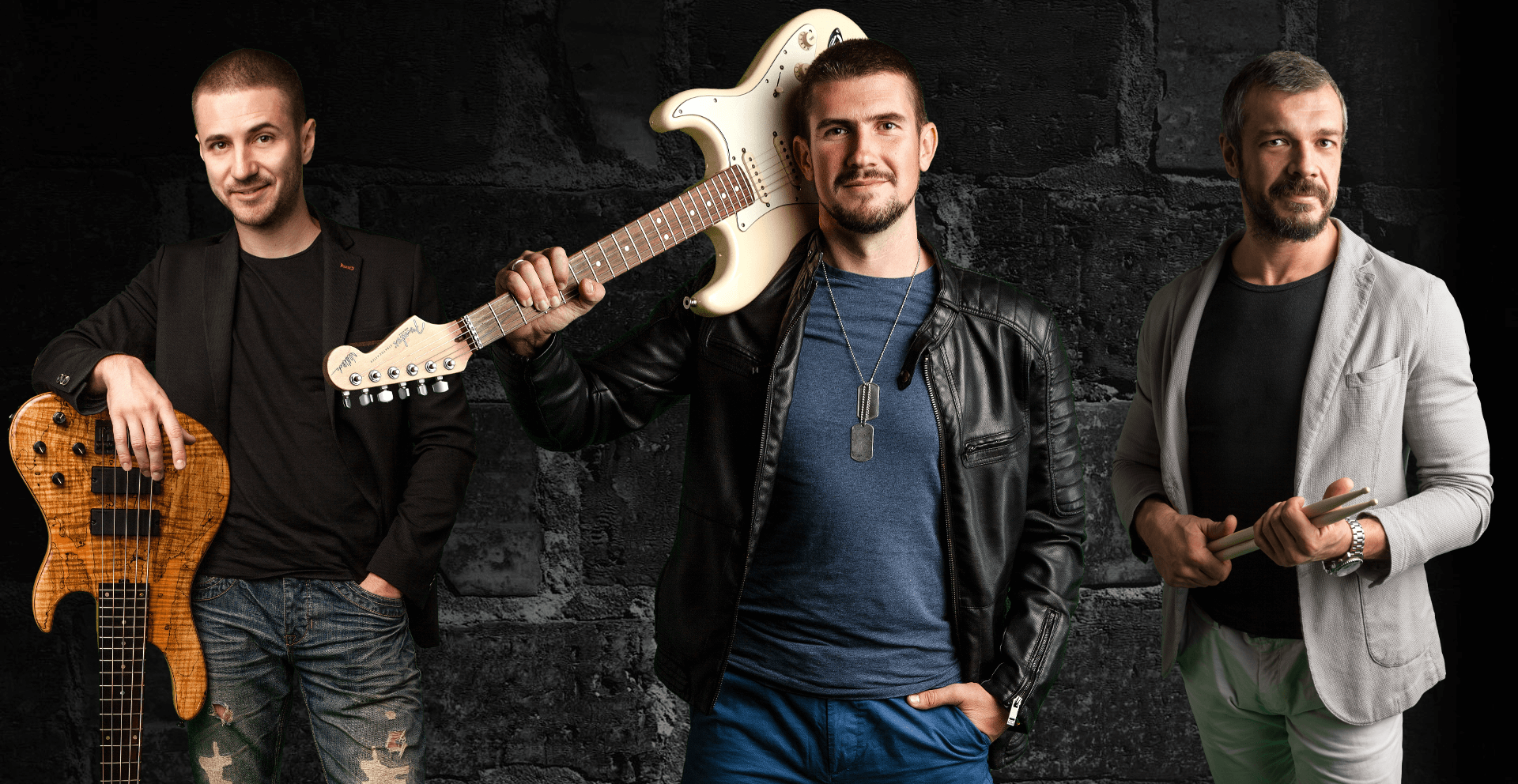
We have played thousands of shows since 2002, and we know how sound has to work in a small room and on a big stage. We do the sound for conferences, seminars and presentations, with equipment, set-up and a technician. See event sound services, and the band if a party follows.